1991–2003 · Deep strike becomes armed reconnaissance
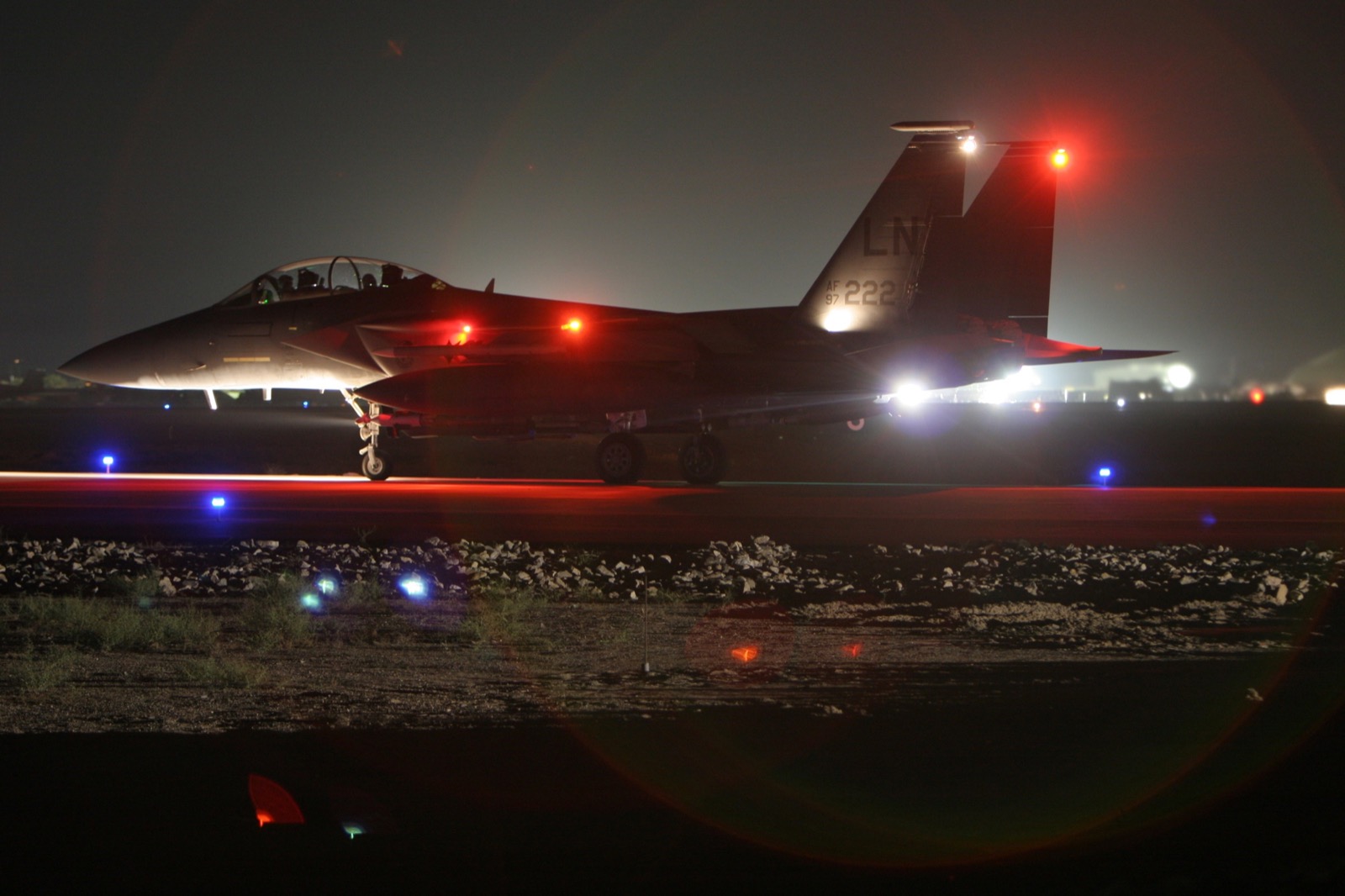
The Gulf War tested a new aircraft at low level, at night and against defences that made every target a negotiation between fuel, terrain, radar and courage. In the no-fly-zone years and the opening of Iraqi Freedom, the mission moved toward SCAR and kill-box work. Lead and wing WSOs searched, sorted and handed targets across Fighter Data Link while pilots managed mutual support and threats.
“Time is gas and gas is time… We’d call them and ask, ‘Hey, what’ve you got?’ They’d say, ‘Check out my mark points three, four and five—we ran out of bombs.’ That kind of gouge saved a huge amount of time.”— Joe Siberski, F-15E WSO, on the informal digital handover over Iraq
The important innovation was not a new acronym. It was crews turning incomplete tracks, radio calls and mark points into a living target picture faster than the formal command system could.
2001–10 · Afghanistan turns the mission inside out
Afghanistan replaced the fixed deep target with hours of patient observation over valleys, compounds and convoys. The 2007 weapon logs show the reality beneath the phrase “precision CAS”: GBU-12s losing their laser through cloud or dust, GBU-38s striking accurately but sometimes failing to detonate, and new GBU-39s disappearing into long glide profiles before crews knew whether the geometry had worked.
In one rotation the 492d employed 236 weapons; roughly 60 per cent were GBU-38s, just under a fifth GBU-12s and about 14 per cent SDBs. Those numbers reveal an aircraft transitioning in combat, not after it. The squadrons learned which weapon to trust, which environmental cue mattered and how to support SOF teams when the textbook geometry was unavailable.
“We invented tactics because we had to.”— Mike “Pako” Benitez
2011 · Libya and the BRO-ATO
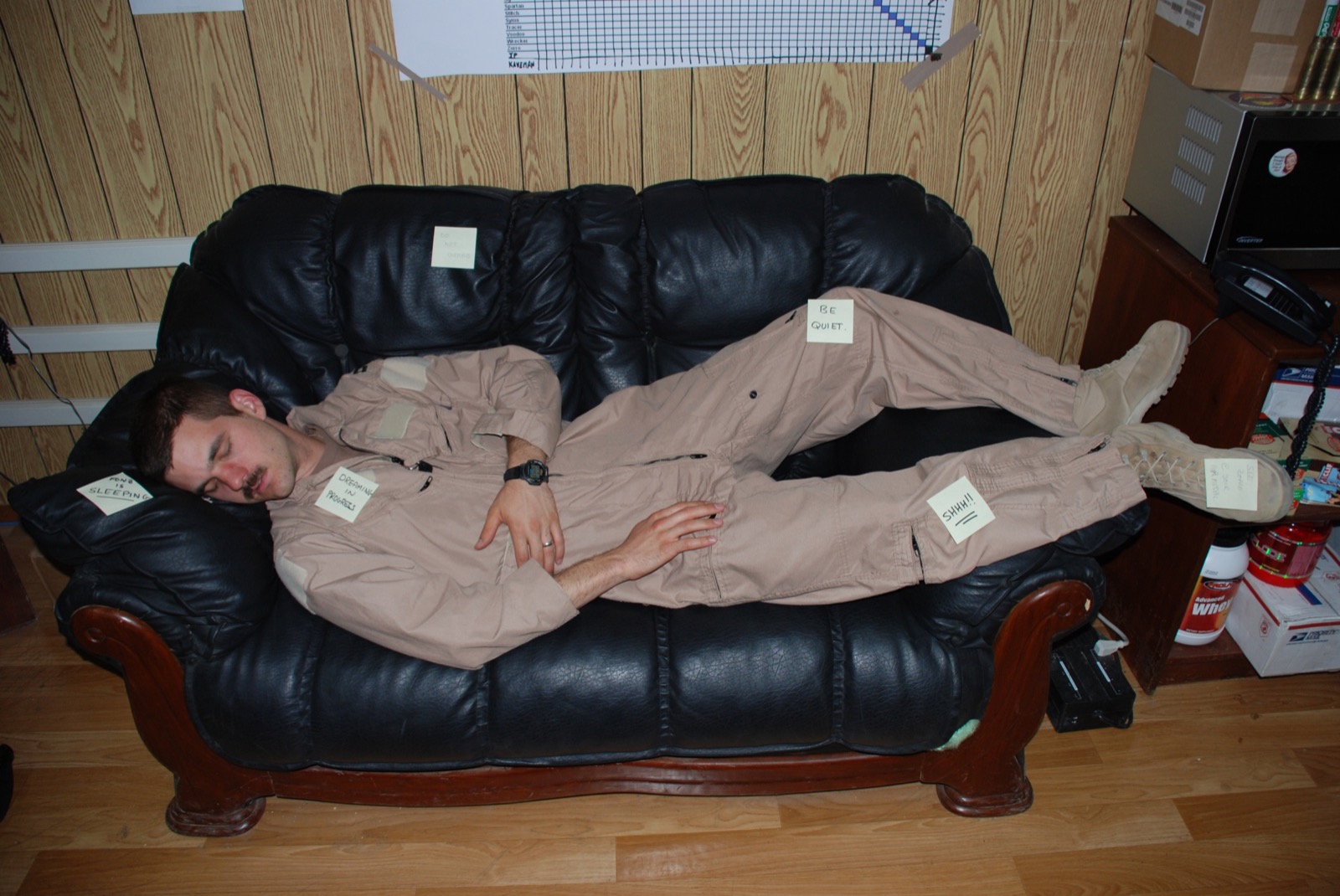
Libya stripped away the mature support structure crews had grown used to. Returning aircrews covered the debriefing-room walls with hand-drawn locations—SA-6s here, tanks there—while mark points passed between jets crossing in opposite directions. They called the resulting unofficial targeting picture the “BRO-ATO”: more current, and often more useful, than the published Air Tasking Order.
“You’d come back from a mission and walk into the DDF, and the walls were just covered with SA-6s here, tanks there. The folks going out and coming back had the most intel—far more than the AOC.”— “Leroy” Donberg, F-15E pilot
Libya also forced a moral and tactical recalibration. Crews trained by Afghanistan to demand positive identification sometimes found the CAOC pressing them to strike vehicles that did not yet look military. The expert skill was not obedience or aggression alone, but knowing when to descend, look again and make the judgement yourself.
2016 onward · ISIS, Russia and the dual-role reckoning
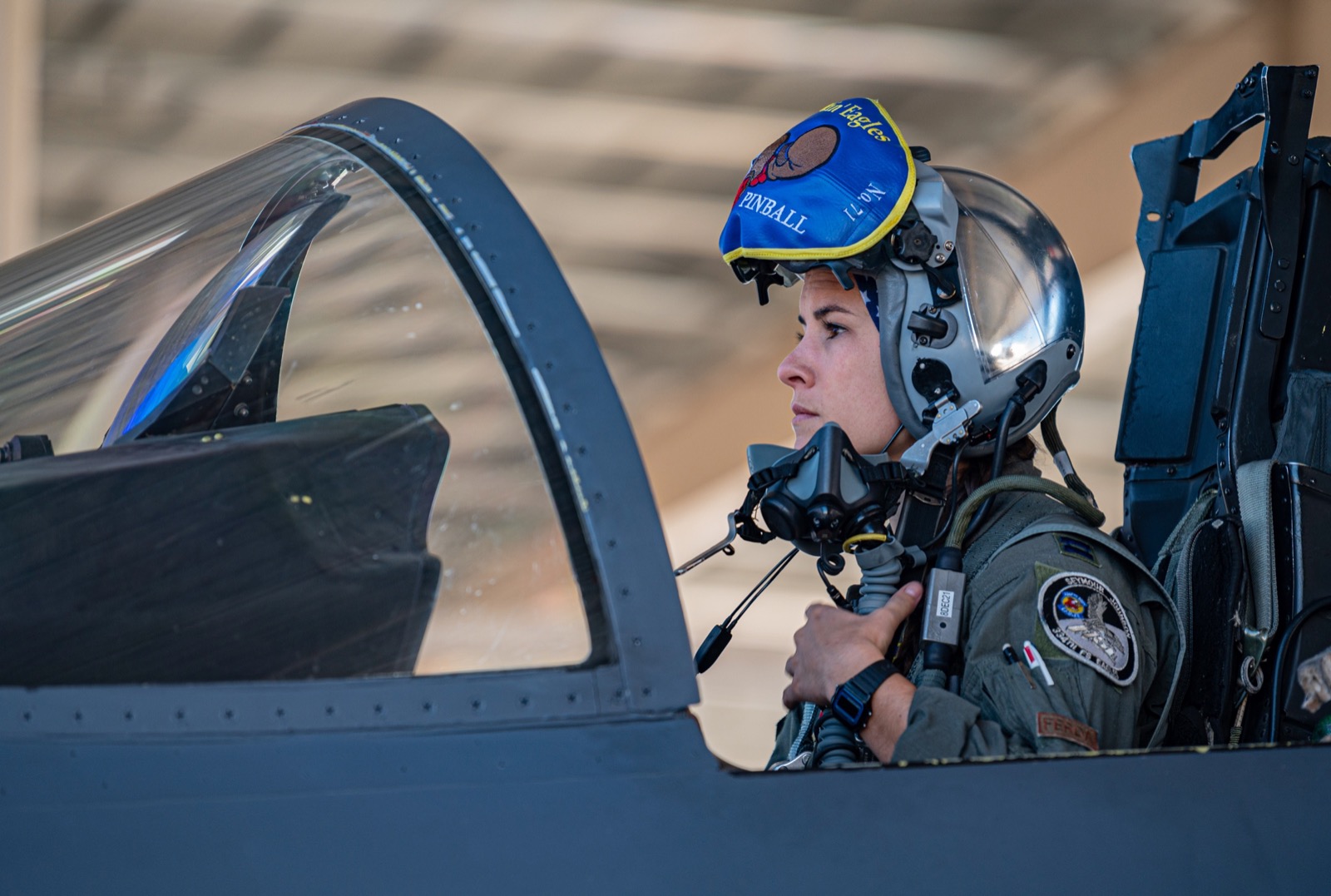
Over Iraq and Syria, the weapons load told the mission: GBU-12s for narrow alleys, GBU-54s for movers, GBU-39s for rooftop snipers and GBU-31(V)3 penetrators for hardened headquarters. One squadron recorded 4,492 weapons in a deployment. At the same time, F-15Es flew defensive counter-air to protect tankers and intelligence aircraft while Russian Su-35s manoeuvred nearby.
In one encounter a Russian fighter settled behind the Strike Eagle while its wingman moved behind the Russian—a “Mexican standoff,” in the crew’s phrase. The jet built to strike now had to signal intent, preserve self-defence authority and avoid an AMRAAM shot being misread as the opening of a wider war. The combat story ends where the design began: with the F-15E’s two roles becoming inseparable.