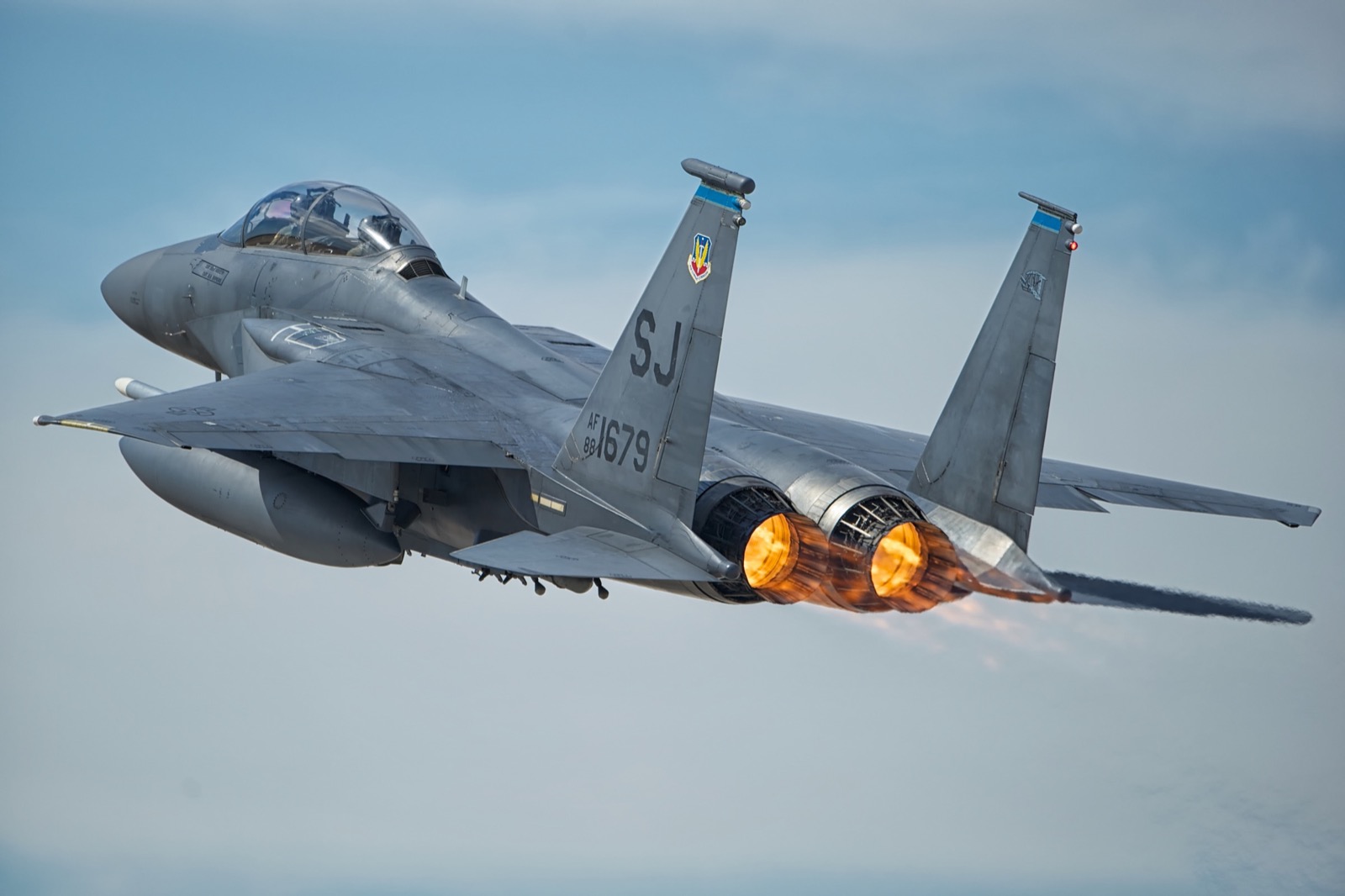
The avionics evolution—top to bottom
Read down the line as software and hardware advancing together. The important story sits in the gaps between the OFP promise and the equipment that finally made it real.
The baseline night/all-weather strike system; GPS and JDAM groundwork begins.
Link 16 enters the jet and pod coordinates can transfer directly to smart weapons.
JDAM strains the old central computer; ADCP unlocks the digital aircraft hidden inside it.
Colour mapping, mature Link 16, SDB and a common language for future weapons.
AESA arrives, but its volume of data exposes the limits of the first-generation processor.
Multi-core processing and greater bandwidth finally allow sensor, weapon and network fusion.
Radar, electronic warfare and datalink tracks become one defensive and offensive picture.
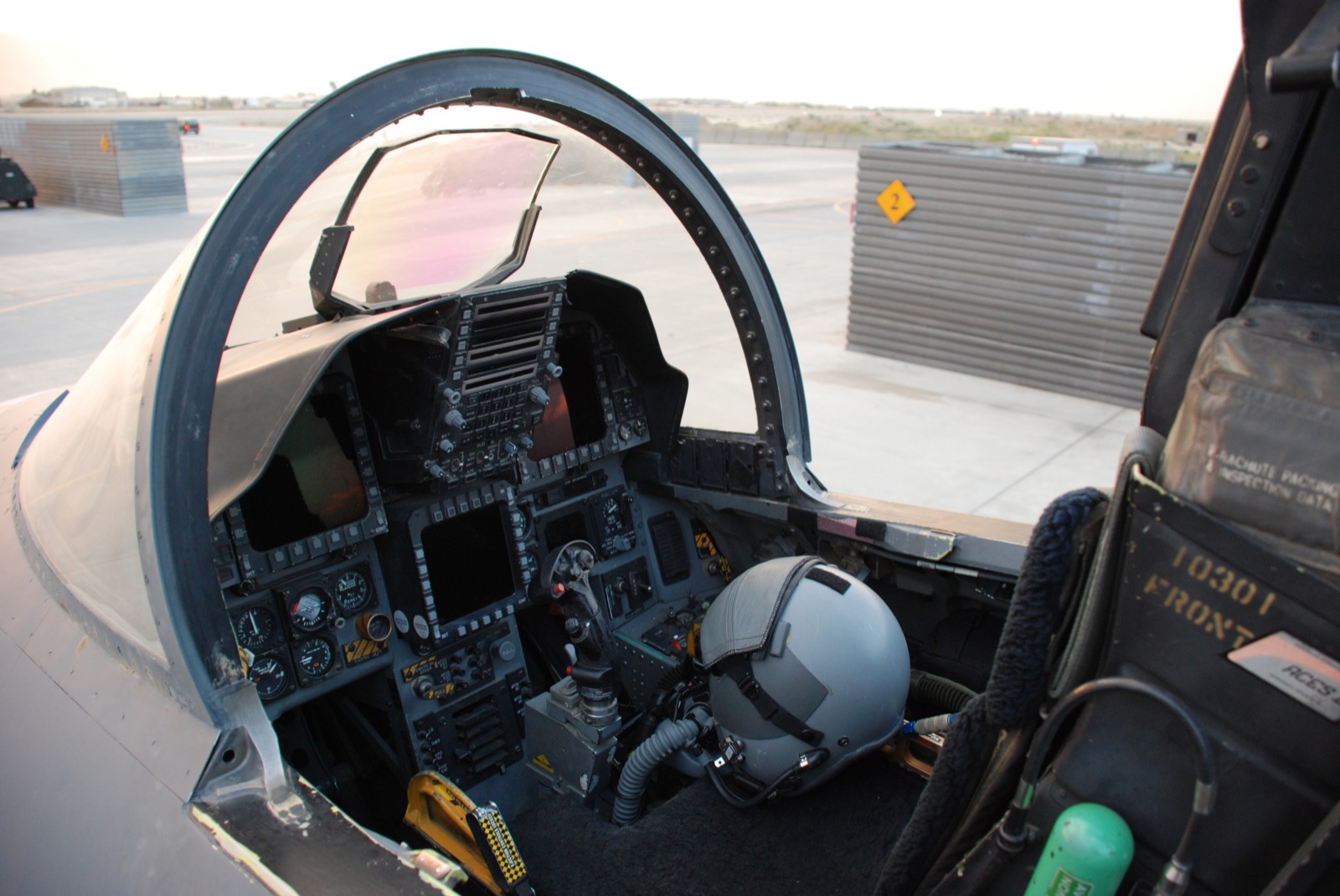
2003–08 · ADCP unlocks the aircraft
Suite 4E+ brought operational Link 16 and the first practical hooks for the JDAM/SDB era, but the original central computer and PACS architecture were running out of margin. ADCP began fielding in 2004 and reached the fleet by 2008. Its dual processors, additional memory and improved bus support did more than make pages load faster: they allowed the jet to calculate and display relationships that crews had previously constructed mentally.
“ADCP felt less like inventing new capability and more like unlocking it. The ones and zeros were already there. We just finally got to see it on the screen instead of making it up in our heads.”— Timothy “Neko” Tendall, instructor WSO
It enabled PACS-45, the Smart Weapons Program, Sniper integration and the Suite 5/6 capabilities that had previously existed mainly in briefings. Even then, software could betray the aircraft: Suite 7 broke the APG-63-to-AIM-120 radar datalink logic and temporarily left the Strike Eagle unable to employ AMRAAM until the fault was corrected.
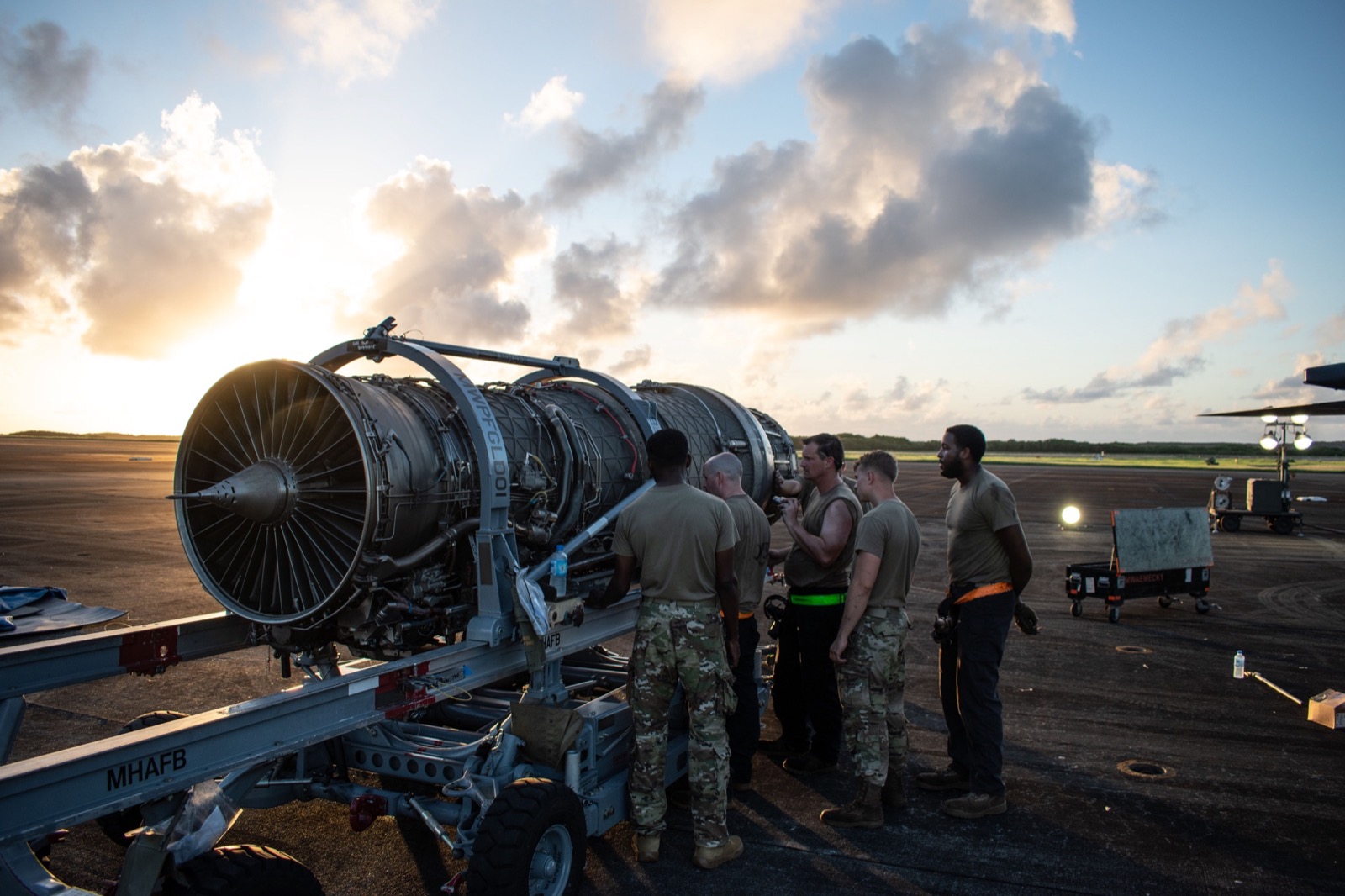
2010–18 · AESA creates another bottleneck
APG-82 combined the F-15C’s APG-63(V)3 antenna and power supply with receiver/exciter and processing technology derived from the Super Hornet’s APG-79. It could interleave air-to-air and air-to-ground work so quickly that pilot and WSO effectively controlled it together—an enormous change from the time-shared APG-70. Flight testing began in 2011; the first operational squadron received it in 2014; IOC followed in 2015.
“If you wanted to target more than one jet, you had to be in TWS, which was pretty trash.”— JP “Wham” Reasner, recalling APG-70 before APG-82
Yet the new radar produced more data than ADCP could comfortably absorb. Squadrons then lived with a mixed fleet: APG-70 jets beside APG-82 jets, depot flow and funding deciding which capability launched on a given day. ADCP II first flew in 2016 because AESA, MIDS-JTRS, StormBreaker and the coming electronic-warfare suite had made more processing power an existential requirement.
2021 onward · The jet becomes a system of systems
EPAWSS replaced the ALR-56 warning receiver, ALQ-135 jammer and associated legacy elements with a digital system able to detect, geolocate and react to threats. ADCP II and fibre-optic data movement let APG-82 tracks, EPAWSS bearings, Sniper metadata and MIDS-JTRS information reach the crew as a correlated picture rather than competing stovepipes.
The modern Strike Eagle is therefore not defined by APG-82 or EPAWSS alone. Its decisive capability is the conversation between them, orchestrated by OFP Suites 9.3E and 9.4E. The same airframe that once asked its WSO to mentally reconcile radar, warning receiver and radio calls can now use software to fuse those sources—and still carry the scars of every earlier layer beneath it.